Supreme Court Lets Trump Keep Building. Standing Still Matters.
Dek: In a 5-4 emergency order Monday, the justices said historic preservationists likely lack standing to halt the White House ballroom — and construction can continue while the lawsuit plays out.
The Supreme Court did not bless a ballroom today. It told a preservation group it probably does not get to stop one.
In an unsigned 5-4 order Monday, Aug. 31, the court granted the Trump administration’s emergency request and let above-ground construction of the White House ballroom continue. CNBC, Reuters, and the Los Angeles Times all reported the same core holding: the National Trust for Historic Preservation likely lacks legal standing to sue. The majority wrote that “mere offense, disagreement, or distaste does not qualify as a concrete and particularized injury under Article III.” One Trust member, Alison Hoagland, had claimed that having to view the finished ballroom on periodic visits would injure her. The court said that is not enough. “Perhaps nearly any government action or project offends someone’s sensibilities.”
That is the whole ballgame on an emergency docket. No standing, no injunction. The project — reported at roughly $400 million and described as privately funded — keeps going.
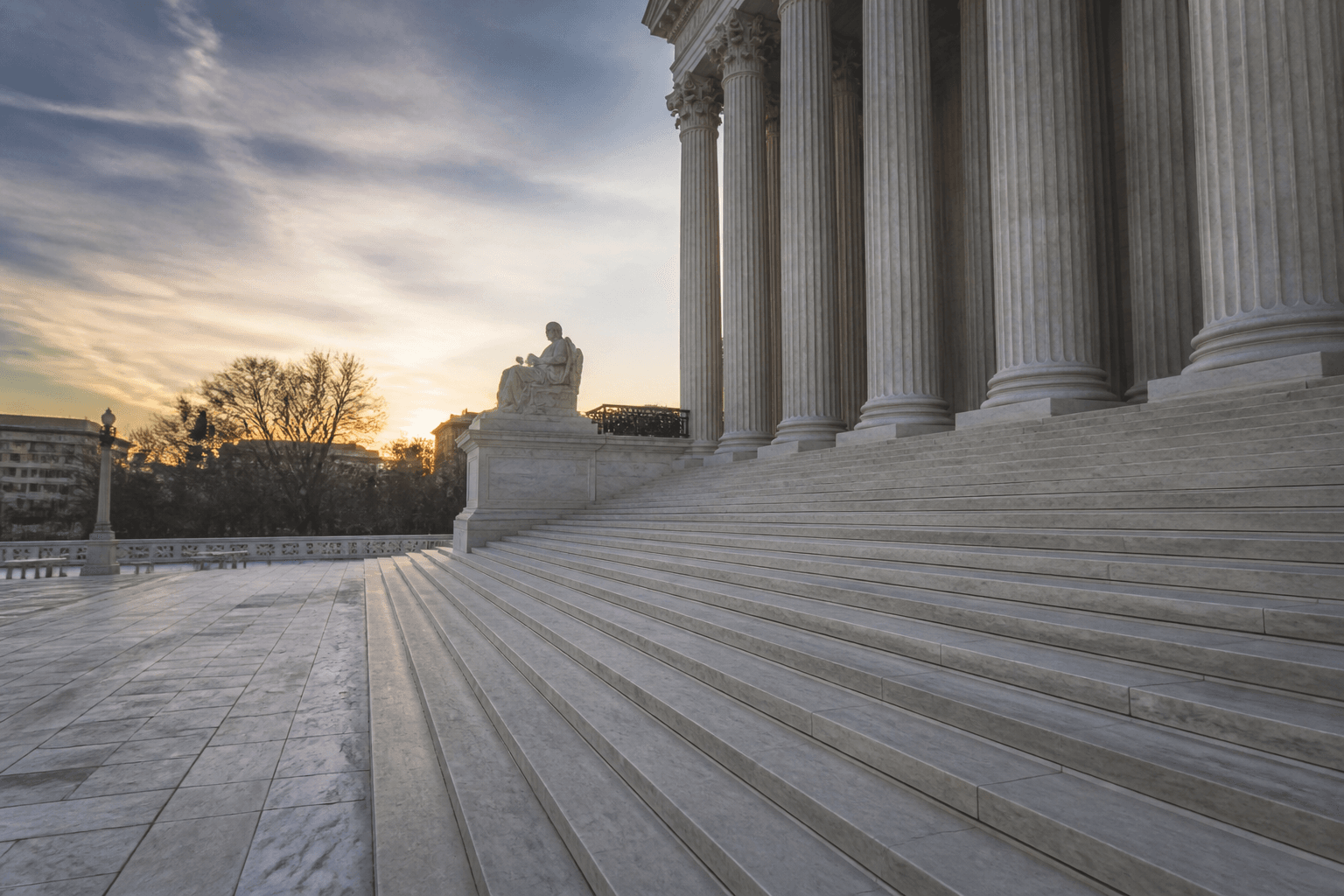
Chief Justice John Roberts dissented, joined by the court’s three liberal justices. He was the only conservative in dissent, Reuters noted. Roberts called the construction “likely unlawful,” writing that Congress has “plenary constitutional authority over the District of Columbia and federal property” and has barred structures on federal grounds in Washington without its “express authority.” “The ballroom is a building or structure being erected on federal park grounds — President’s Park,” he wrote. “Yet Congress has not passed any law resembling ‘express authority’ for the Executive’s construction of it.”
Be honest about what the majority did not do. CNBC was clear: the order “does not address whether Trump has the legal authority to build the ballroom without approval by Congress.” That question is still live in the Trust’s lawsuit. Monday’s ruling is about who gets to walk into court, not a final blessing of the blueprints.
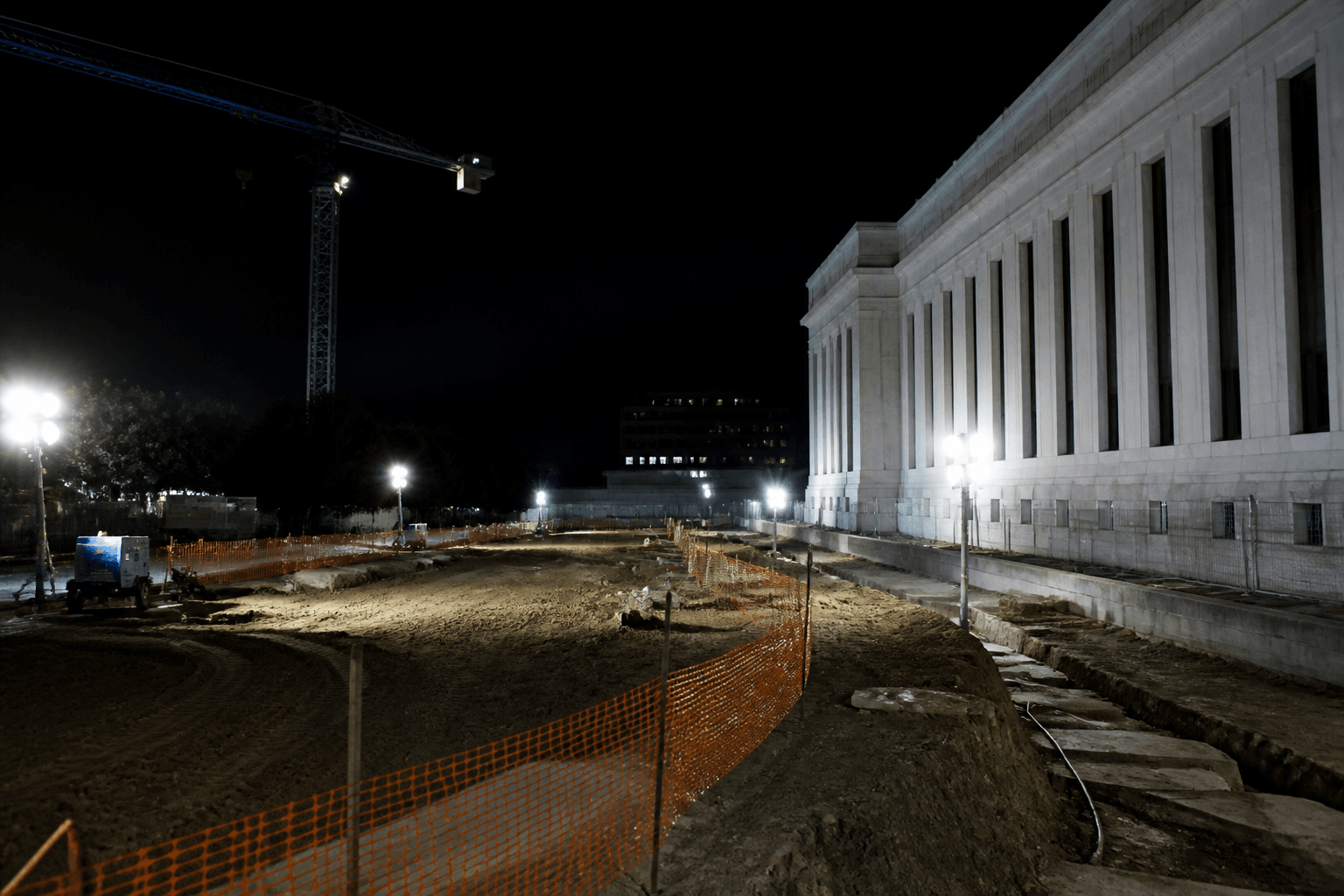
The facts on the ground are not in dispute in the coverage. Reuters reported the administration tore down the East Wing and began building a 90,000-square-foot ballroom without seeking specific approval from Congress. The East Wing housed the first lady’s offices and the White House movie theater; it went up in 1902 under Theodore Roosevelt and was expanded in 1942 under Franklin Roosevelt. The U.S. Court of Appeals for the D.C. Circuit, on Aug. 7, upheld District Judge Richard Leon’s order halting above-ground work in a 2-1 decision, writing that “each President is a temporary tenant, not the owner, of the White House.” Leon still allowed below-ground work and work “strictly necessary” for safety. The Justice Department told the Supreme Court in an Aug. 14 filing that the overall project was 65 percent complete.
Trump has sold the complex as more than a party room. Reuters reported he has described bomb shelters, medical facilities, and shielding from drones and missiles, “all tied together as one big, expensive and very complex unit,” and has called it a “military center.” The Justice Department’s Aug. 14 filing called the injunction “extraordinary and unlawful” and said the “integrated military complex, including a totally secure ballroom space,” is “vitally required by national security,” citing assassination attempts and recent threats. The D.C. Circuit had answered that national-security arguments “are not an automatic get-out-of-law-free card.” The Supreme Court majority, Reuters reported, said the government would likely suffer “irreparable harm” if the project were blocked, citing national security.
Trump’s own statement, posted after the ruling and quoted by Reuters: “I am pleased to report that the United States Supreme Court has just ruled in favor of the Ballroom/Military Complex being built without any further contingency, doubt, or threat. We are living in the Golden Age of America, and this Building will be one of the Greatest ever constructed in Washington, D.C.” That is the president talking. The order itself is narrower than that sentence.
National Trust president and CEO Brent Leggs called the decision a disappointment and said Roberts’s dissent “reiterated what we have maintained from the start of our case — that construction of the White House ballroom is unlawful.” He said the group will keep advocating. Fair enough. Advocacy is not standing.
From Trinity, Texas, here is the read that does not require a law review. Article III is not a suggestion. If offense at a building were enough to stop a president, every renovation of the people’s house would die in a filing. Congress still holds the purse and the property power Roberts described. If the House and Senate want a statute, they can write one. A preservation nonprofit does not get a veto because a member does not like the view.
The lower courts treated the president as a tenant who needed a permission slip. Five justices treated the plaintiffs as people who had not shown a real injury. Construction continues. The lawsuit continues. Those two facts can both be true. Do not confuse a standing win with a blank check — and do not confuse a dissent with a holding.
---